
Custom home interior design is one of the most exciting parts of building a new home. With a blank canvas and the right team, you can create spaces that fit your routines, reflect your personality, and feel good to live in every day. [web:411]
At Atera Homes, design and construction stay under one roof—from early conversations and concept sketches through selections and build. That makes it easier to translate your ideas into a cohesive, buildable design that still feels like you. [web:404]
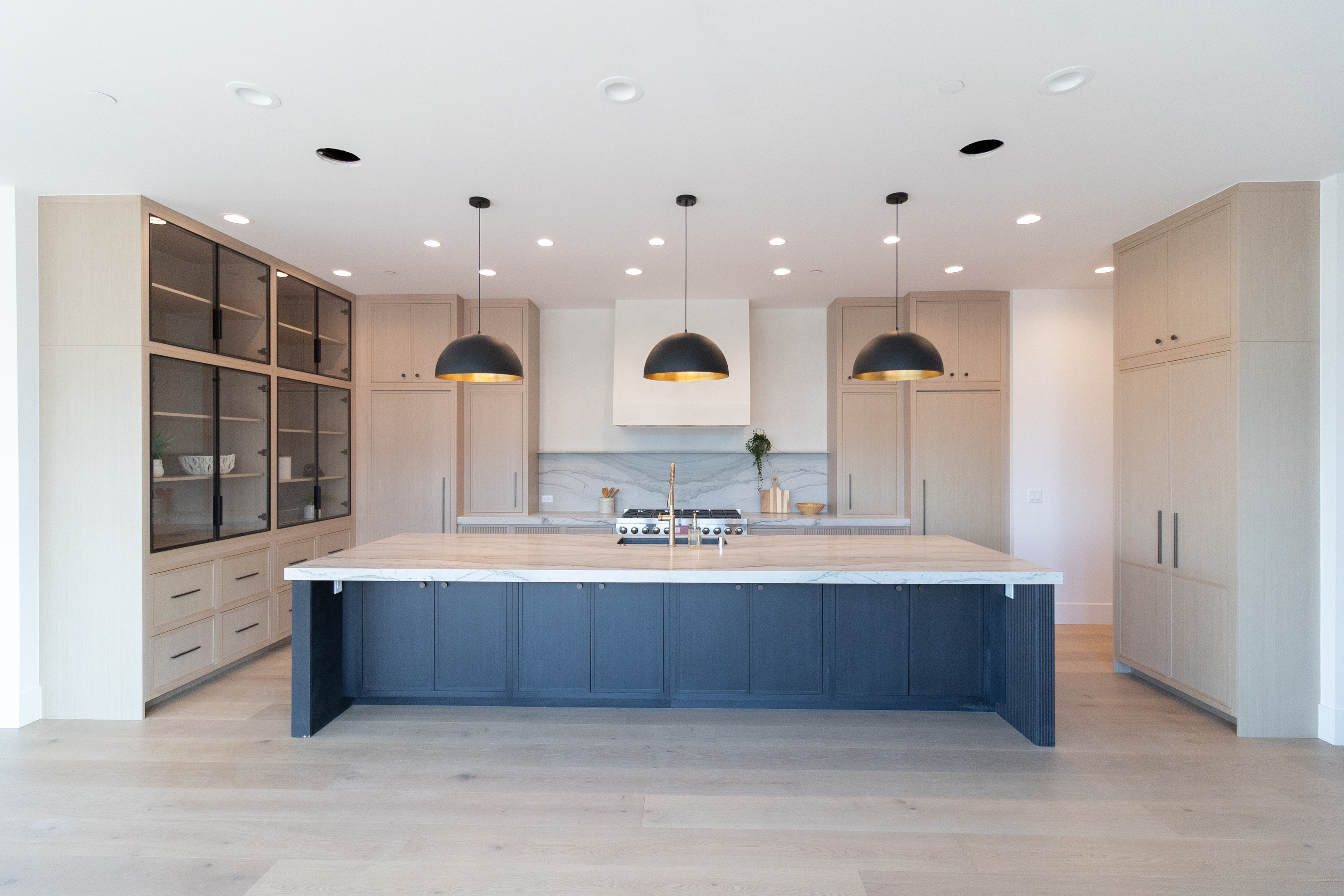
Custom built home interior design
Custom home interiors differ from spec homes because you are not limited to a standard package. Instead of choosing from a few pre‑set options, you can work with your design team to develop a floor plan, finishes, and details that respond directly to how you live. [web:411]
Some clients prefer to collaborate closely with an in‑house design team; others bring in an independent interior designer. Either approach can work well. What matters most is having someone who understands spatial planning, lighting, and materials so your ideas become a complete, livable design. [web:407]
Interior design ideas for custom homes
Custom home interiors are especially personal. Everything from the floor plan and circulation to finishes and decor can reflect what you value and how you spend your time. A family with young children, for example, will likely make different choices than a couple planning to age in place. [web:411]
As you think through your custom home interior design, consider these key elements:
Space and flow
Space is more than square footage. Designers think in terms of positive space (walls, furniture, built‑ins, decor) and negative space (the open areas that create breathing room and help a home feel calm rather than cluttered). [web:407]
Ceiling heights, door and window placement, and the distance between pieces of furniture all influence how connected or separate rooms feel. A well‑planned circulation path will make everyday movement through the home feel natural. [web:407]
Texture
Texture comes in two forms: visual texture (how something looks like it might feel) and actual texture (how it feels to the touch). A space with only smooth, hard surfaces can feel cold; a mix of stone, wood, textiles, and metals can make it feel more layered and comfortable. [web:407]
Thoughtful texture choices—such as a plaster hood, wood ceiling, or boucle upholstery—add interest without relying solely on color or pattern. [web:407]
Color
Color is often the first thing people think of when they picture interior design. It also has a major impact on mood. Softer, desaturated palettes can feel calm and restful, while richer tones and higher contrast can feel more energetic or dramatic. [web:407]
As you choose colors, think about how you want different spaces to feel: peaceful and relaxing, bright and motivating, or warm and luxurious. A cohesive palette that flows from room to room will usually feel more intentional than treating each room as a separate project. [web:407]
Lines
Lines—horizontal, vertical, and dynamic—quietly shape how a room feels. Horizontal lines (like long countertops or low, linear furniture) can feel grounded and calm. Vertical lines (like tall windows or full‑height cabinetry) can make a space feel taller and more formal. [web:407]
Dynamic lines, including angled or curved elements, introduce movement and can draw the eye to focal points. Used thoughtfully, they help guide attention through a space instead of letting it stop at the nearest wall. [web:407]
Shape
Shape shows up in everything from the footprint of a kitchen island to the silhouettes of light fixtures and furniture. Repeating certain shapes—arches, circles, or crisp rectangles—can give a home a recognizable design language. [web:407]
Even small decisions, like choosing rounded corners on casework or a more angular profile on hardware, can reinforce the overall style you are going for. [web:407]
Pattern
Pattern can come from tile layouts, textiles, wallpaper, and even the way wood is laid on floors or ceilings. It adds visual rhythm and can help define zones within an open floor plan. [web:407]
A little pattern often goes a long way—one statement rug, a carefully chosen wallpaper, or a patterned tile feature can provide character without overwhelming the room. [web:407]
Light
Light is one of the most powerful design tools. Natural light—through window placement, skylights, and glass doors—shapes how a space feels throughout the day. Artificial light layers (ambient, task, and accent lighting) allow you to fine‑tune the mood and make spaces more functional. [web:407]
When you plan a custom home, it helps to think about where you will read, work, cook, and relax, then ensure each area has the right mix of light sources to support those activities. [web:407]
Does interior design increase home value?
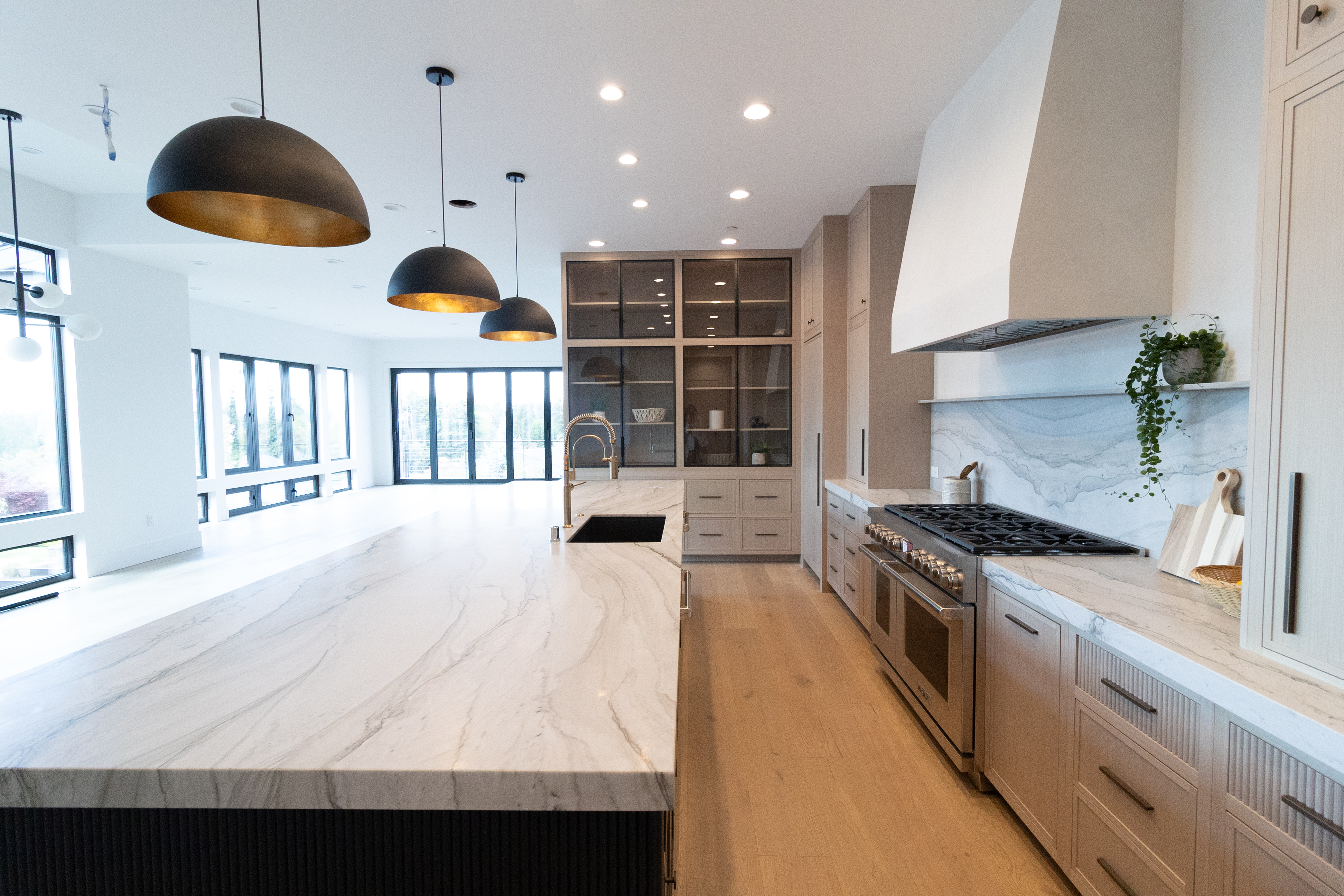
Thoughtful interior design can increase both the real and perceived value of a home. Well‑planned layouts, cohesive finishes, and quality details tend to show better and appeal to more potential buyers over time. [web:407]
Working with a professional designer or a builder with strong in‑house design capabilities can help you avoid costly missteps and create a home that feels timeless rather than tied to a short‑lived trend. [web:411]
Do you need an interior designer when building a home?
Whether you need a dedicated interior designer depends on your goals and how comfortable you are making design decisions. Some clients arrive with a clear vision, while others prefer more guidance at every step. [web:411]
Even if you have a detailed wish list, bringing in professional eyes can help you refine your ideas, avoid mismatches, and ensure that interiors connect well with the architecture and the exterior design. It is also a good moment to think about how your interior choices will relate to your exterior design so indoor and outdoor spaces feel tied together. [web:411]
How much does it cost to custom design a house?
The cost of custom interior design varies based on the size and complexity of the home, the level of customization, and the materials and furnishings you choose. Clarifying your home size, desired level of detail, and material preferences early helps align design ambitions with a realistic budget. [web:411]
Questions such as whether you will work with a dedicated interior designer or use your builder’s team, and whether you gravitate toward simpler or more layered spaces, also influence cost. [web:411]
Designing your custom home with Atera Homes
When you are ready to build your dream home in the Seattle or Eastside area, Atera Homes can help you connect interior design, architecture, and construction into one coordinated process. [web:404][web:411]
With expertise in custom home design and building, the team focuses on creating homes that feel considered, livable, and aligned with how you actually use your space—so the home continues to feel right years after you move in. [web:404][web:409]