
Custom smart homes are changing how people live in their spaces. From smart bulbs and automated shades to smart appliances and integrated security, technology can now touch almost every part of a home—and in a custom build, you can decide how far you want to take it. [web:411]
Some owners prefer just a few carefully chosen smart features. Others want whole‑home systems that manage lighting, climate, security, and entertainment in the background. A custom smart home lets you set the level that feels right for you. [web:411]
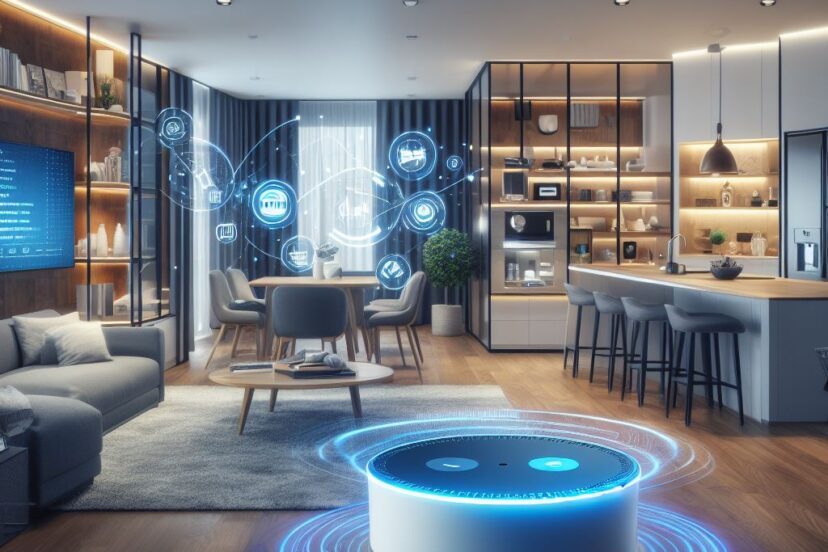
What defines a smart home?
There is no single, strict definition of a smart home. At its simplest, a smart home is any home with connected technology designed to automate or remotely control parts of daily life—such as lighting, climate, or security—through apps, sensors, or centralized controls. [web:411][web:407]
At the higher end, a smart home can coordinate lighting, shades, climate, security, audio, and even appliances so that the house anticipates your routines, adjusting settings automatically instead of relying on manual changes. [web:411][web:407]
What do custom smart homes include?
Custom smart homes start with the same foundation as any well‑built custom home, then layer in technology choices tailored to your household. Planning wiring, networking, and device locations from the start makes systems more reliable and discreet than piecemeal retrofits. [web:411]
In a custom build, you can also decide which systems matter most and which are better left simple—prioritizing, for example, climate control and security while keeping other elements intentionally low‑tech. [web:411]
Custom smart home “must‑have” ideas
Every homeowner’s list will look different, but a few categories tend to show up again and again in custom smart homes. [web:411]
Heating and cooling automation
Smart heating and cooling is often the easiest place to start. Connected thermostats, sensors, and, in some cases, smart vents or fans help keep the home comfortable while using energy more efficiently. [web:411]
The ability to monitor and adjust temperature and humidity remotely can make everyday life more comfortable and reduce wasted energy when you are away. [web:411]
Cleaning and maintenance
Many smart homes now include robotic vacuums and other automated cleaning tools, and newer materials and finishes are increasingly designed to resist wear and simplify upkeep. [web:407][web:411]
Smart security
Security is another major driver for smart‑home tech. Systems often combine video doorbells, smart locks, cameras, smoke and carbon monoxide detectors, leak or moisture sensors, and monitored alarms. [web:411]
The most effective setups are designed as a whole so components work together smoothly rather than acting like a collection of unrelated devices and apps. [web:411]
Whole‑home integration
The best integrations solve concrete problems for your household—whether that is energy efficiency, safety, convenience, accessibility, or entertainment. Scenes, voice control, and centralized apps can tie multiple systems together. [web:407][web:411]
Clarifying what matters most to you helps your builder and any technology partners prioritize the right infrastructure and devices from day one. [web:411]
Designing a custom smart home with Atera Homes
Atera Homes designs and builds custom smart homes in the Seattle and Eastside area, integrating technology decisions into the broader design and construction process instead of treating them as last‑minute add‑ons. [web:404][web:411]
Timeline and scope vary with home size, level of customization, and the complexity of the smart systems, but coordinating architecture, interiors, and technology under one roof helps keep the home cohesive and easy to live with over time. [web:404][web:409][web:411]
If you are starting to think about your own custom smart home, this is a good time to define which technologies you are most excited about and which parts of daily life you would most like your home to handle for you. [web:411]